Water heaters are a crucial part of modern living, providing the hot water necessary for bathing, cooking, and cleaning. Despite their importance, many homeowners overlook the maintenance and service needs of these systems until something goes wrong. Understanding residential water heater service can help extend the life of your unit, improve efficiency, and ensure you have reliable hot water when you need it most.
Types of Water Heaters
There are several types of water heaters available on the market today. The most common options include tankless systems, traditional storage tank heaters, and heat pump water heaters. Each system has its own advantages and disadvantages based on capacity, energy efficiency, and installation requirements.
Tankless water heaters heat water on demand rather than storing it in a tank. This feature can reduce energy costs since they do not maintain a reserve of hot water. However, they may struggle to supply enough hot water for larger households during peak times.
Traditional storage tank heaters are more familiar to most homeowners. They store hot water in a large tank, ready for use at any time. While generally less expensive upfront than tankless models, they can be less efficient due to standby heat loss.
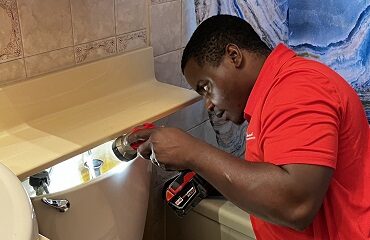
Heat pump water heaters utilize electricity to move heat from one place to another instead of generating heat directly. They can be highly energy-efficient but require adequate space and specific conditions for optimal performance.
Importance of Regular Maintenance
Regular maintenance is essential to keep your residential water heater functioning efficiently and safely. Neglecting maintenance can lead to reduced efficiency and costly repairs down the line.
One common issue is sediment buildup within the tank. Over time, minerals from hard water settle at the bottom of the tank, which can inhibit heating efficiency and even damage the heating elements or tank itself. Flushing your water heater annually helps remove this buildup and prolongs the lifespan of your unit.
Another critical aspect of maintenance is checking the anode rod. This component prevents rust from forming inside the tank by attracting corrosive elements in the water. If this rod deteriorates completely, it may lead to significant corrosion within the tank itself.
Additionally, inspecting components like pressure relief valves is vital for safety. A malfunctioning valve could lead to excessive pressure buildup within the system, posing risks such as leaks or even explosions in extreme cases.
Signs Your Water Heater Needs Repair
Recognizing when your water heater requires professional attention can save you from more extensive damage or costly replacements later on. There are several key indicators that hot water tank repair solutions suggest your unit may need repair:
No Hot Water: If you're experiencing lukewarm or cold showers consistently, it could indicate a problem with heating elements or thermostats.
Leaking Water: Puddles around your unit are a red flag that should not be ignored; this could point towards corrosion or faulty connections.
Strange Noises: Sounds like popping or rumbling often signal sediment buildup or issues with heating elements.
Discolored Water: Rusty or cloudy hot water usually indicates corrosion within the tank.
Foul Odors: A rotten egg smell may point toward bacterial growth in stagnant hot water; this often requires flushing out the system.
If you notice any of these signs, it's wise to consult with a professional technician who specializes in residential water heater service.
Common Repairs
Water heater repairs vary widely depending on the type and age of your unit as well as its specific issues. Here are some typical repairs that homeowners might encounter:
- Heating Element Replacement: In electric units that aren't producing sufficient hot water, replacing one or both heating elements can restore functionality. Thermostat Replacement: A malfunctioning thermostat can lead to incorrect temperatures; replacing it usually resolves inconsistencies in hot water availability. Pressure Relief Valve Repair: If this valve fails to operate correctly, it poses risks for safe operation; routine checks help ensure its reliability. Anode Rod Replacement: Regularly changing this component is crucial for preventing rust inside your tank; if it's heavily corroded, replacement should occur every few years. Flushing Service: Professional flushing services help eliminate sediment buildup effectively; performing this task annually keeps tanks running smoothly.
Choosing a Professional Service
Selecting a qualified technician for residential water heater service is crucial for ensuring quality work and peace of mind. Look for licensed professionals with experience in both installation and repair services tailored specifically for your model type.
Reviews from previous customers provide insight into potential hires' reliability and expertise levels—pay attention to feedback regarding response times and overall satisfaction with completed jobs.
Ensure that any chosen contractor offers warranties on parts installed as well as labor performed; reputable companies often stand behind their workmanship without hesitation.
Installation Considerations
When deciding on installing a new hot water heater, various factors come into play beyond just selecting a brand or model type:
Fuel Source Availability: Assess whether natural gas lines are accessible if considering gas-powered units versus electric options requiring dedicated circuitry.
Space Requirements: Ensure sufficient space exists not only for installation but also future maintenance access—this consideration becomes crucial as units age over time.
Local Codes & Regulations: Familiarize yourself with local building codes governing installations—compliance ensures safety while avoiding potential fines down the road.
Energy Efficiency Ratings: Opting for higher-rated models translates into savings over time through reduced utility bills—a long-term benefit worth considering seriously during selection processes.
Budget Constraints: Factor in both initial purchase costs alongside ongoing operational expenses when making decisions—sometimes investing upfront leads to considerable savings later!
Understanding these considerations allows homeowners greater confidence when choosing new equipment suited precisely for their needs while maintaining budgetary constraints sensibly without sacrificing quality standards expected from reputable brands available today!
Conclusion
Maintaining a reliable residential water heater requires diligence—regular inspections coupled with timely repairs enhance longevity while ensuring efficiency remains optimal throughout each season's demands placed upon them daily!
By recognizing warning signs early on combined with understanding what regular maintenance entails enables proactive measures taken by conscientious homeowners seeking dependable solutions tailored specifically toward their unique circumstances surrounding domestic comfort needs!
Ultimately investing effort into safeguarding against unexpected failures pays dividends far exceeding initial costs associated directly tied back towards maintaining systems designed purely out convenience today's busy lifestyles necessitate!